RESEARCH INCUBATOR
Develop your research skills – step by step!
Free access • Online and self-paced • Registration required
The Research Incubator is an open-access modular digital learning environment designed primarily for early-stage researchers. It provides practical, structured guidance through the essential stages of the research process – from developing a research idea and selecting appropriate methods to analysing data and communicating research results.
Its aim is to help researchers develop the foundational knowledge, practical skills and confidence needed to plan and conduct responsible research. The resources are open to researchers at any career stage.
Participation in the Research Incubator is free. To access the learning materials, users must create an account and sign in to the EKA Moodle platform.
Learning pathway
1. Research Ethics and Academic Integrity –
Learn the principles of responsible research, appropriate citation, authorship, data management, and publication ethics.
2. Research Idea and Research Design
Identify and refine a research topic, formulate the purpose of the study, and understand the basic structure of a research project.
3. Overview of Research Methods
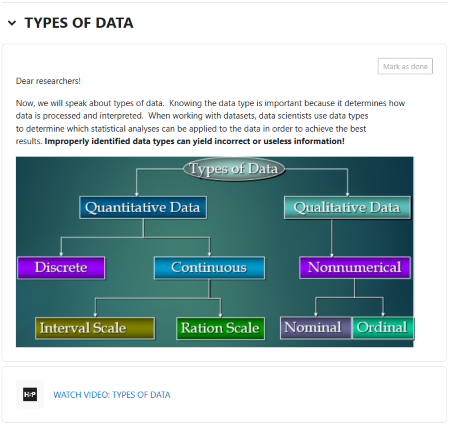
Explore the main approaches to data collection and analysis and understand different types of research data.
4. Literature Review
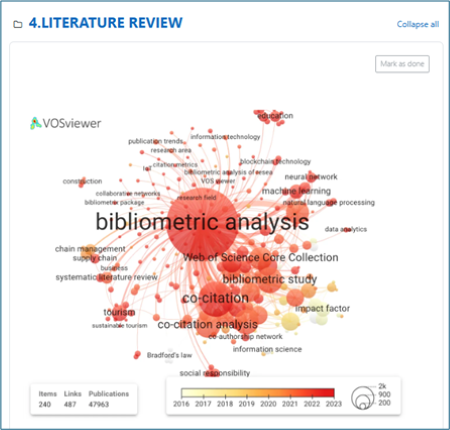
Learn how to explore, organise and analyse academic literature using bibliometric analysis, content analysis, and reference management.
5. Data Collection Methods
Explore experiments, surveys and questionnaires, interviews, and observation as research data-collection methods.
6. Data Analysis Methods
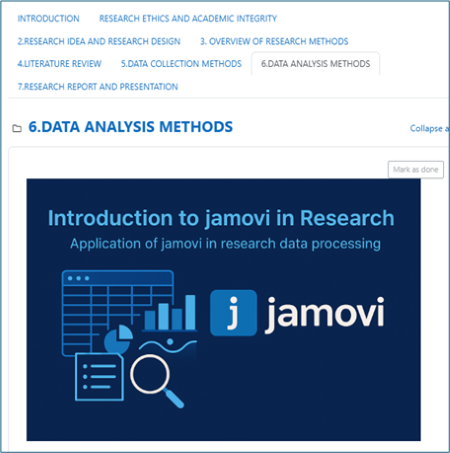
Develop practical analytical skills using Jamovi and Excel, including frequency analysis, reliability assessment, group comparisons, correlation and regression, factor analysis, and multi-criteria decision-making methods.
7. Research Report and Presentation
Learn to prepare a structured research abstract and paper and communicate findings through data visualisation tools.
How You Will Learn
- Flexible pathway – complete the full course or select topics relevant to your current research needs
- Step-by-step instructions – to support the practical application of research methods and digital tools
- Short video lectures – typically no longer than 15 minutes
- Focused reading materials – for further explanation and independent study
- Practical examples and datasets – to apply methods in practice
- Training activities – to develop research and analytical skills
- Self-evaluation tests – to check understanding and identify areas for further learning
 |
 |
 |
Learning Outcomes
After working through the Research Incubator materials, participants will be able to:
- formulate and refine a research idea;
- understand the principles of research ethics and academic integrity;
- distinguish between different research approaches and types of data;
- select appropriate research and data-collection methods;
- organise and analyse academic literature;
- apply basic quantitative and qualitative data-analysis methods;
- use selected digital tools for literature review and data analysis;
- interpret, visualise and communicate research results;
- prepare a structured research abstract or report.
Development and Project Acknowledgement
The Research Incubator was developed by EKA University of Applied Sciences in cooperation with Alberta College within the Erasmus+ Small-scale Partnership project No. 2024-2-LV01-KA210-VET-000280127, “Improvement of Professional Education Programmes in the Field of Management and Administration by Introducing and Applying Artificial Intelligence, Digital Resource Tools and Their Alternatives in the Learning Process.”
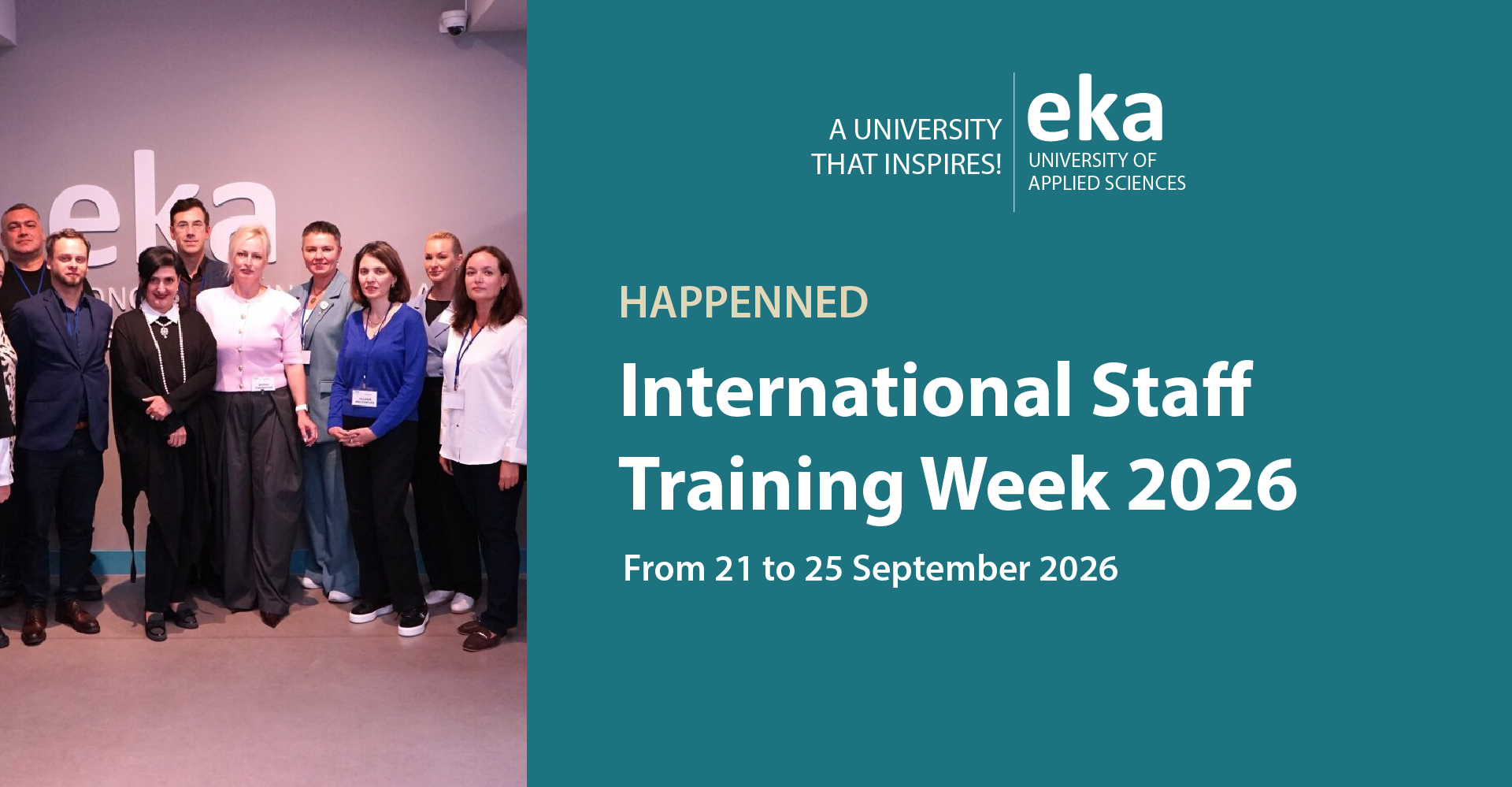
A complete pilot version of the Research Incubator was presented during the 2025 Staff Training Week, where international participants tested the platform and provided initial feedback.
The Research Incubator is a continuously evolving learning environment. It is regularly expanded with new research approaches, methods and learning materials, with researchers and mentors contributing to its further development.
 |
 |
 |