Partners’ transnational project meeting in Valencia marks the next steps of the project
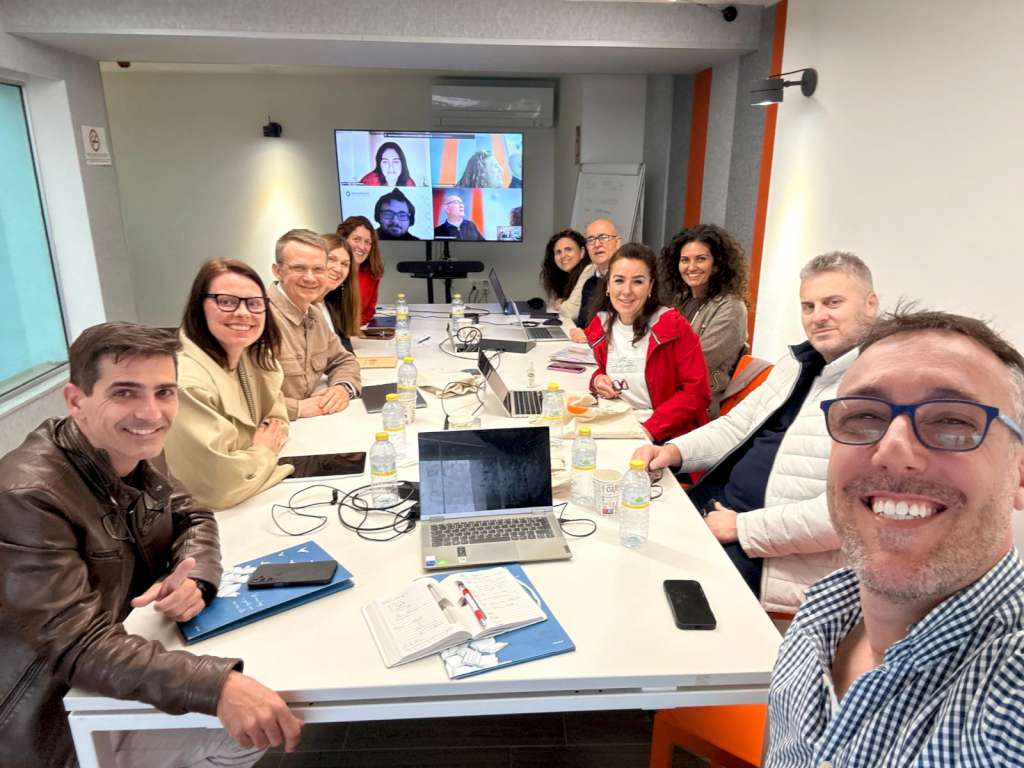
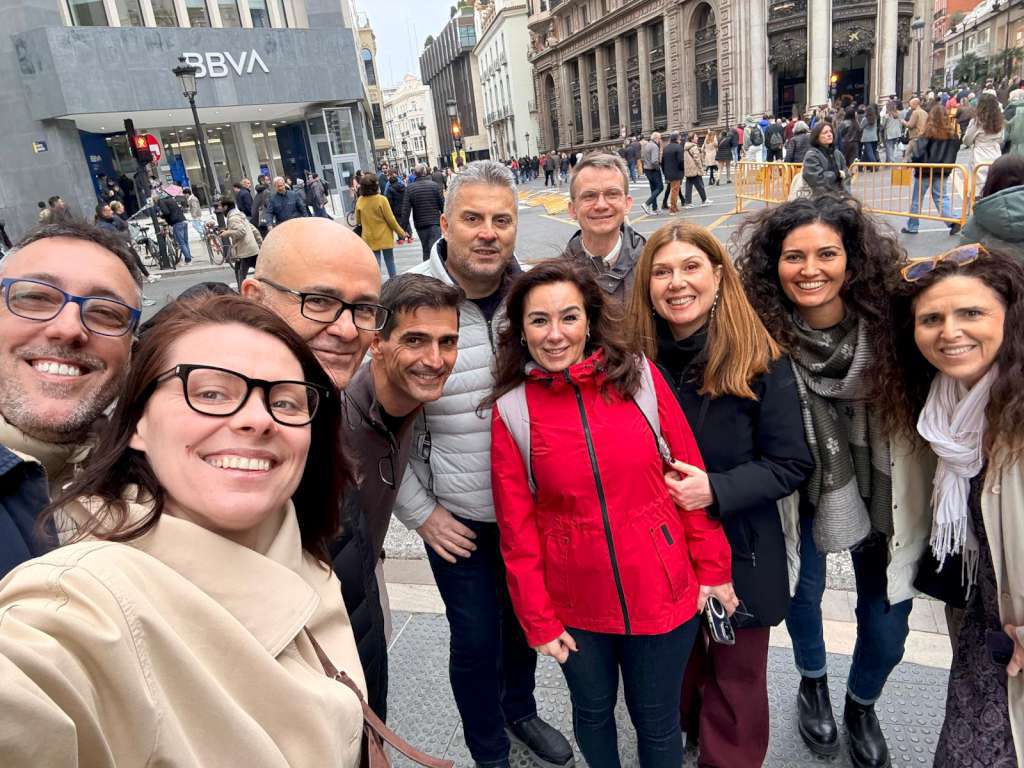
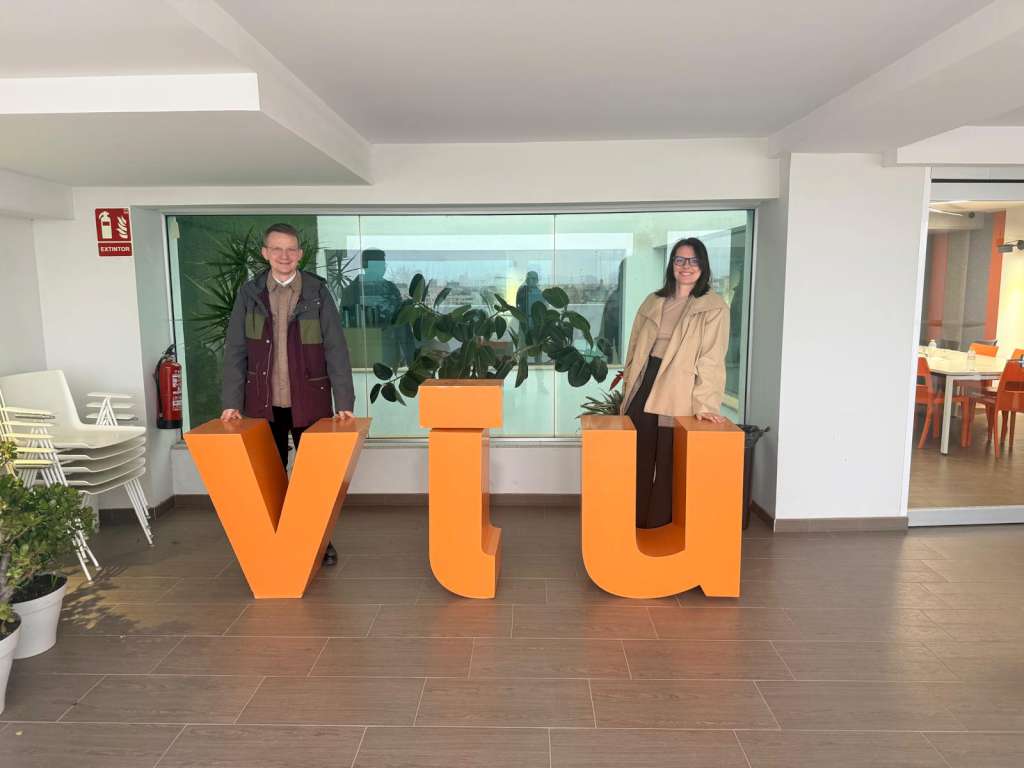
On 3 March 2026, the transnational partners involved in the implementation of the Eco-Escaper project gathered at Valencia International University in Spain to launch Work Packages 2 and 5. During the meeting, participants discussed key project developments, confirmed quarterly Steering Committee meetings, and reviewed the overall project timeline together with the main activities planned under each work package.
EKA University of Applied Sciences was represented at the meeting by Anete Bērza, Director of the EKA study programme Computer Game Design, and Dr oec. Kaspars Šteinbergs, Project Manager of the EKA Research Institution.
Particular attention was given to quality assurance procedures, including the use of standardised templates and compliance with Erasmus+ requirements. The discussions also covered the launch of a preliminary research survey and data collection involving teachers across the partner institutions. Each partner is responsible for collecting a minimum of 20 responses.
Another key topic was the development of gamification design and technical specifications. In this context, a System Design Document will be prepared to define the specific features of the gamification system, including its methodology, timeline, and required competencies.
The participants also agreed on a dissemination plan. This includes the development of a unified visual identity for Eco-Escaper, the creation of a project website, social media communication activities, and the regular publication of a project newsletter.
In addition, financial management procedures under the lump-sum model were clarified, together with the requirements for documentation, reporting, and audit readiness in line with European Commission expectations. The meeting concluded with agreements on logistical responsibilities and documentation processes to support the smooth and effective implementation of the project.
 |
 |
 |
 Funded by the European Union. Views and opinions expressed are however those of the author(s) only and do not necessarily reflect those of the European Union or the European Education and Culture Executive Agency (EACEA). Neither the European Union nor EACEA can be held responsible for them.