March 2026: QN Alliance International Academic Week at the Valencian International University
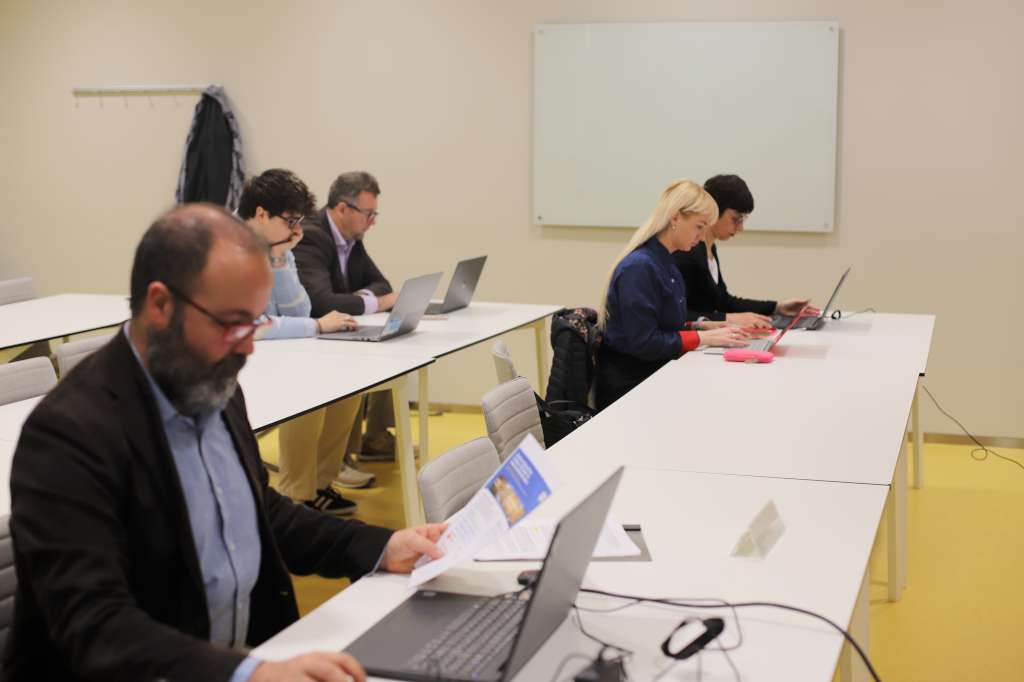
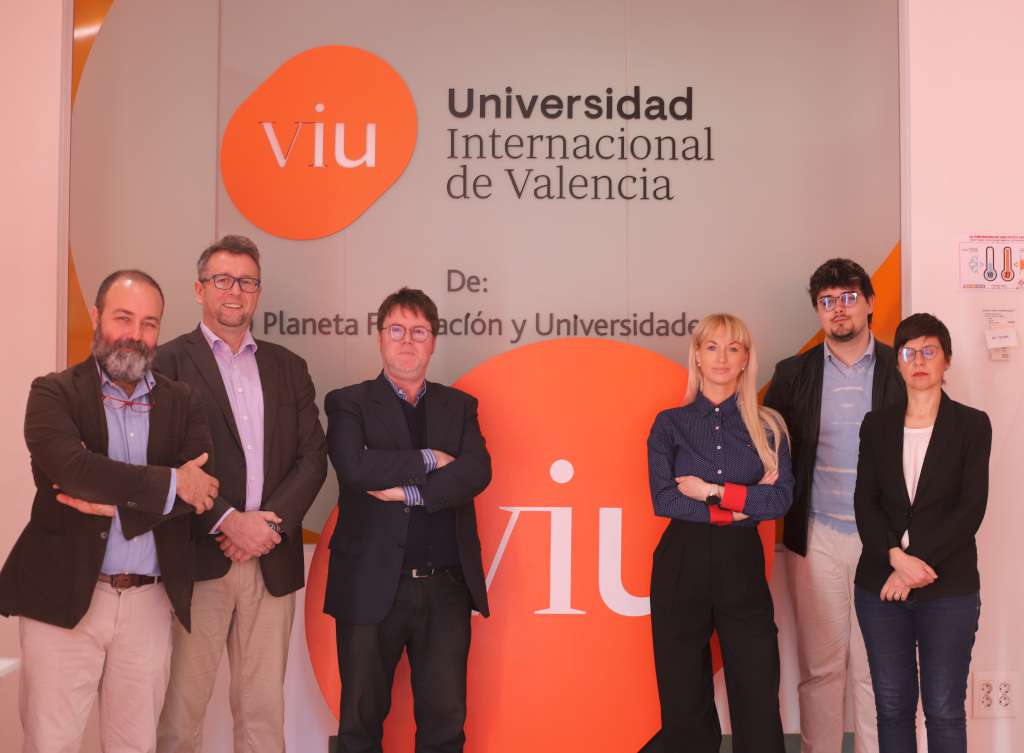
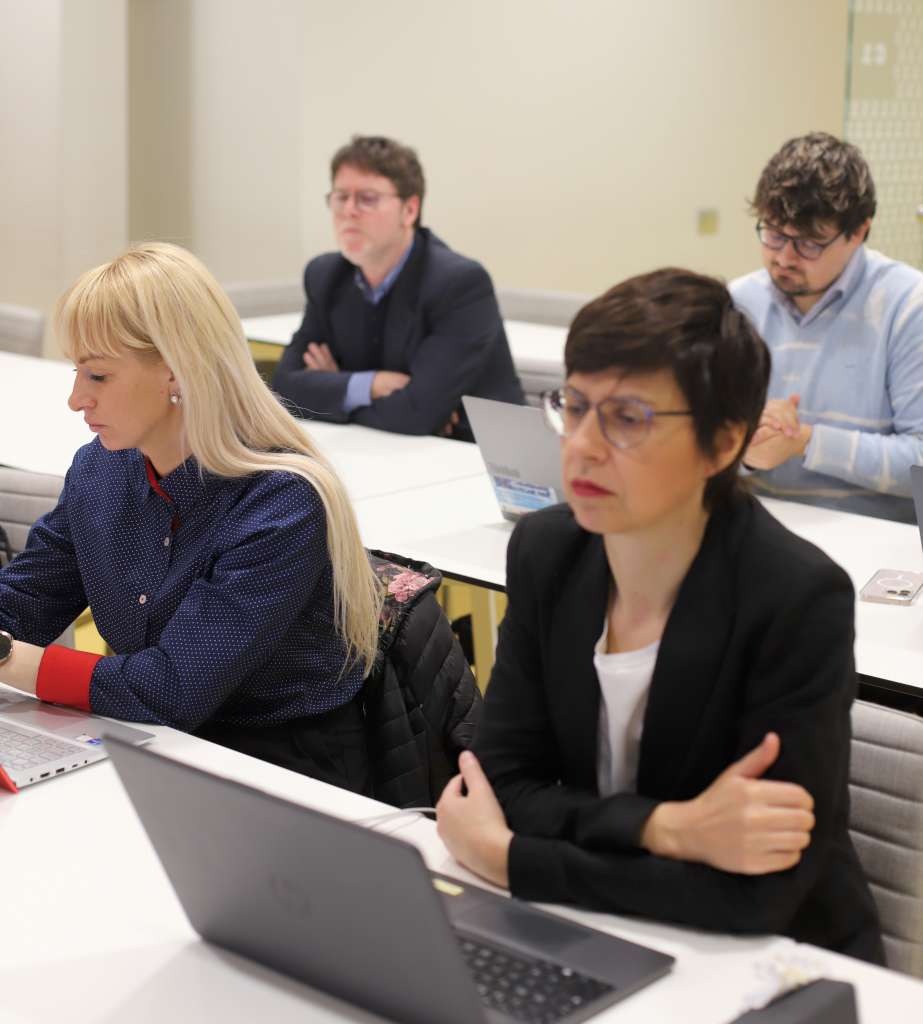
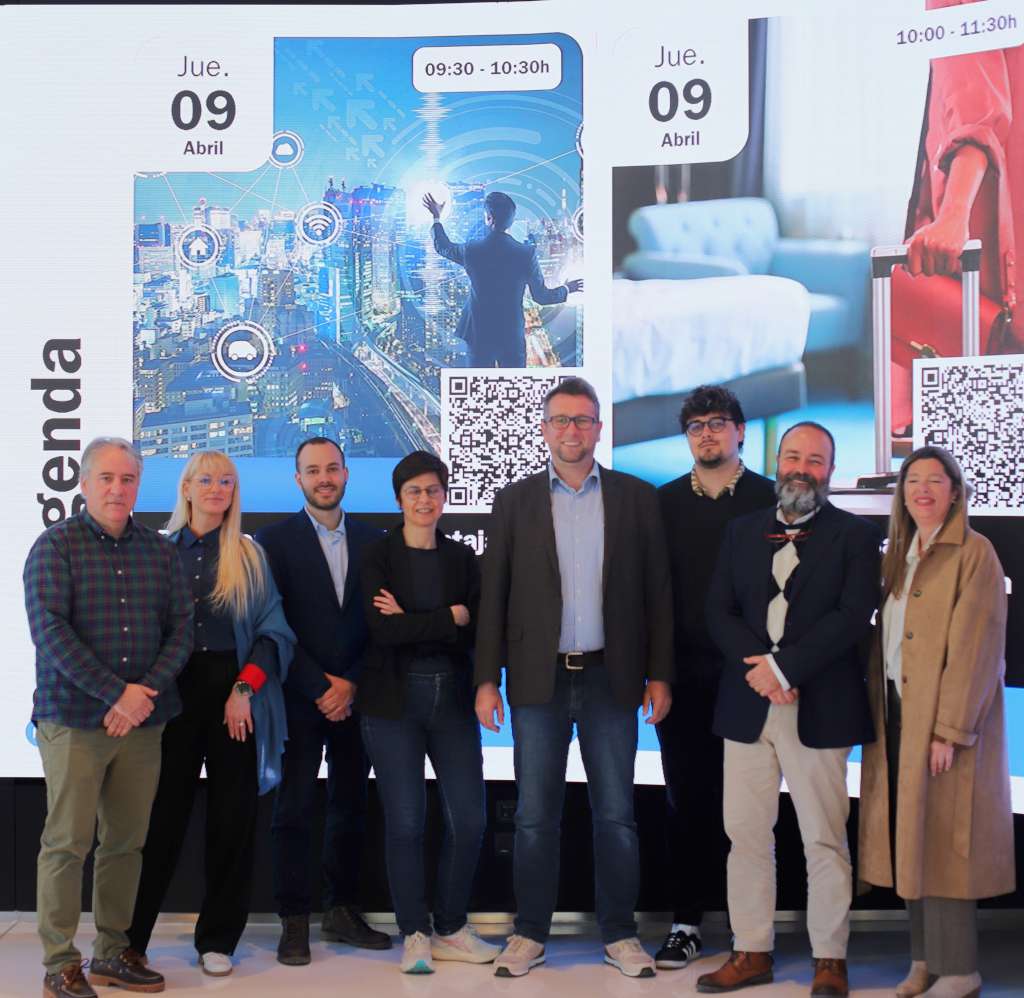
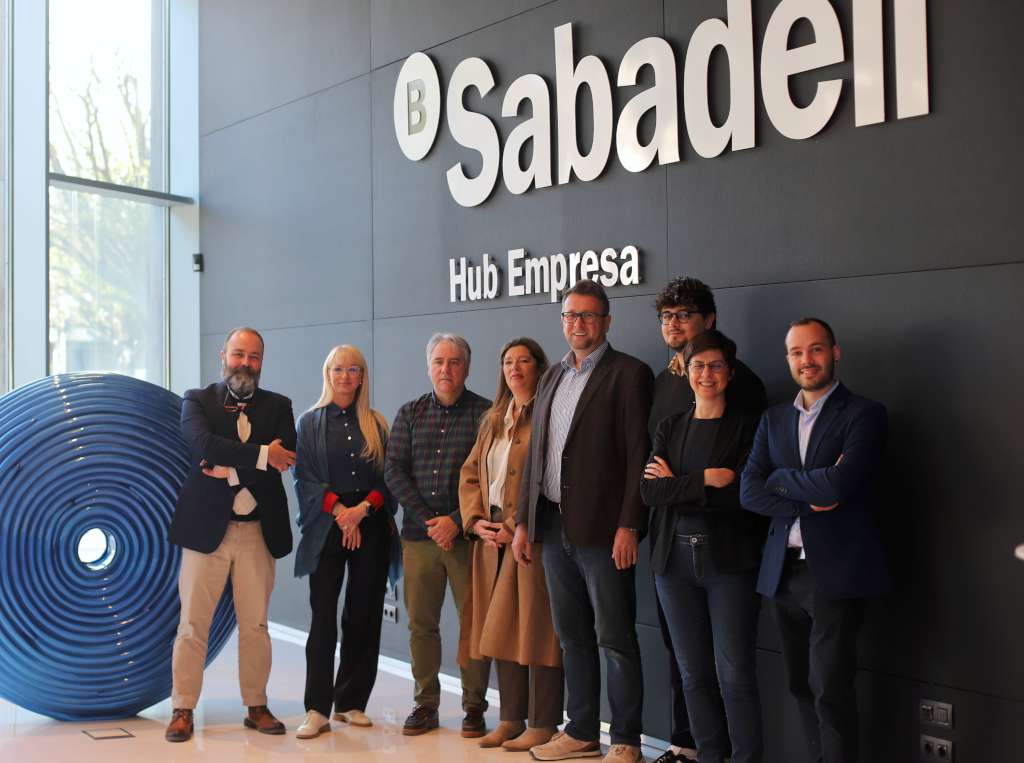
 From 23 to 27 March 2026, the Valencian International University (VIU) hosted the International Academic Week: Online Education – A New Window to Internationalization, organized as part of the QN Alliance activities. The international week brought together representatives from QN Alliance partner universities, including University of Urbino Carlo Bo (Italy), Valencian International University (Spain), Powiślański University (Poland), and University College of Teacher Education (Austria). The EKA University of Applied Sciences was represented by the Head of the Science Administration Department and researcher, Anna Strazda.
 |
 |
 |
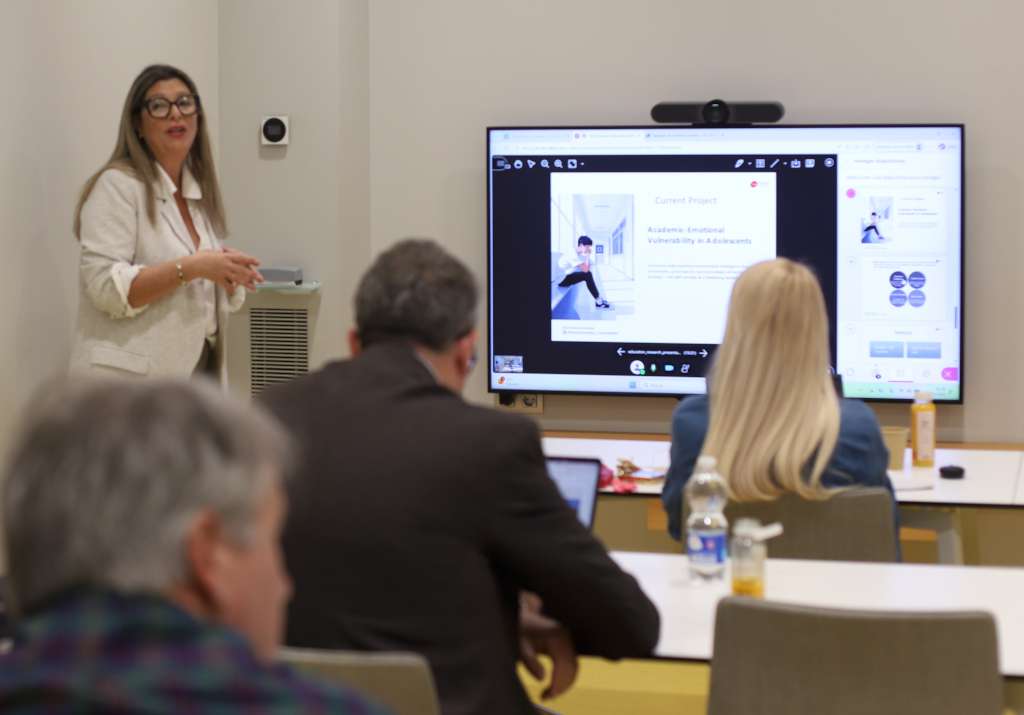
The main objectives of the international week were to advance QN Alliance initiatives, exchange experience on the organization of digital higher education, participate in collaborative discussions, establish new contacts for potential joint projects and research directions. The programme was rich in content and included a variety of activities: introduction to the VIU operational model, practical insights into the university’s digital platform, thematic sessions on access to education in Spain, quality assurance and accreditation, research programmes, as well as the development of different fields of study.
During the QN Alliance session “Development of Collaborations: Strategic and Mobility Development”, the development of cooperation within the Alliance was discussed. The session focused on concrete mechanisms of international collaboration between partner institutions, including opportunities for developing European Joint Degrees and the implementation of Blended Intensive Programmes (BIP) among partner universities.
 |
 |
 |
A. Strazda presented EKA’s activities, research directions, and internationalization strategy. This presentation provided an excellent opportunity to represent EKA in an international environment, enhance its visibility, and introduce partners to the university’s academic and research profile. In addition, active participation in discussions and exchange of ideas and experiences with representatives of other universities took place throughout all sessions. For example, the session “AI in Higher Education: Key Issues that Matter”addressed the role of artificial intelligence in higher education and its impact on the study process, academic work, and institutional development. Meanwhile, the session “Research Programs at VIU” provided deeper insight into VIU’s research priorities, organizational approaches to research development, and potential areas for collaboration. This session was particularly important from EKA’s perspective, as it helped identify potential contact points for developing international research activities.
Participation in this event was made possible with the support of the Erasmus+ mobility programme.